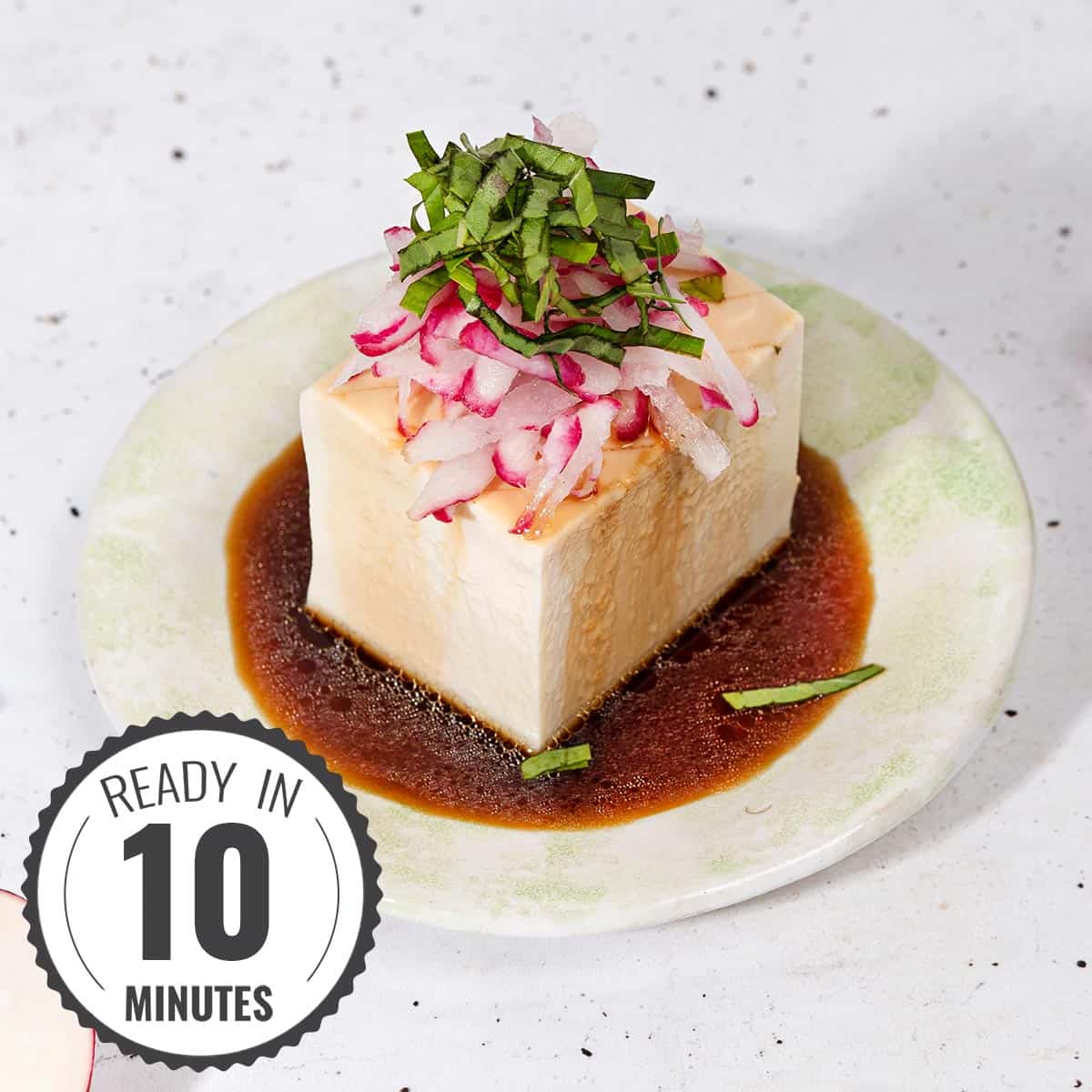
Unveiling the Delicate Charm of Japanese Silken Tofu with Radish and Basil
In the vast culinary landscape of Japan, where every ingredient is revered and every dish crafted with intent, there exists a quiet elegance in simplicity. While many associate Japanese cuisine with sushi or ramen, a world of subtle, profound flavors often resides in its less celebrated, yet equally exquisite, preparations. One such revelation is Japanese silken tofu with radish and basil – a dish that embodies freshness, delicate textures, and a surprising harmony of flavors, challenging preconceived notions about tofu and inviting a deeper appreciation for its versatility.
For those unfamiliar with the wonders of tofu, it might appear as a humble, white, jiggly block. Yet, this unassuming ingredient, a staple in Asian diets for over two millennia, is a powerhouse of nutrition and an incredibly adaptable canvas for countless dishes. Its journey from ancient China to the heart of Japanese kitchens has seen it transformed in myriad ways, from hearty stews to light, refreshing salads. This particular rendition, featuring the ethereal texture of silken tofu, vibrant radish, and aromatic basil, showcases tofu in its most refined and approachable form.
From Deep-Fried Delights to Fresh Inspirations: Tofu's Versatility
Tofu's adaptability is truly remarkable, allowing it to seamlessly transition between hearty, comforting meals and light, invigorating starters. Take, for instance, agedashi tofu, a beloved Japanese classic where lightly floured tofu is deep-fried to a golden crisp and served in a warm, flavorful dashi broth. This dish is a testament to tofu's ability to absorb and complement rich, savory flavors, offering a delightful contrast between its crunchy exterior and tender interior. The name "agedashi" itself, meaning "fried dashi," perfectly encapsulates its essence – a simple, satisfying treat.
However, the beauty of tofu extends far beyond the frying pan. While agedashi tofu offers a comforting, umami-rich experience, the realm of Japanese silken tofu with radish and basil - Article 1 explores an entirely different facet. This dish pivots from the warmth and depth of a fried preparation to embrace the coolness and purity of its ingredients. It highlights silken tofu's natural creaminess and its remarkable ability to soak in nuanced flavors without the need for extensive cooking. This contrast perfectly illustrates tofu's incredible range, proving it's far more than just a meat substitute; it's a culinary star in its own right, capable of delivering entirely distinct sensory experiences.
Tofu's rich history, dating back over 2,000 years, speaks volumes about its enduring appeal and fundamental role in various Asian cuisines. Its longevity is not just due to its nutritional profile but also its chameleon-like ability to adapt to diverse cooking methods and flavor palettes. From robust Vietnamese tomato-based tofu dishes to the delicate preparations found in traditional Japanese eateries, tofu continues to inspire chefs and home cooks alike to explore new and exciting ways to enjoy this ancient food.
The Art of Simplicity: What Makes This Dish Sing
The magic of Japanese silken tofu with radish and basil lies in its elegant simplicity. Each component plays a crucial role, contributing to a symphony of textures and tastes that is both refreshing and deeply satisfying.
- Silken Tofu: The Creamy Heart
Unlike its firmer counterparts, silken tofu boasts an incredibly smooth, custard-like texture due to its higher water content and lack of pressing during production. This delicate consistency makes it ideal for dishes where its inherent creaminess can shine, offering a luxurious mouthfeel that melts away. It acts as a perfect neutral base, absorbing the subtle nuances of its accompaniments without overpowering them. When gently handled and properly prepared, silken tofu provides a pure, clean taste that is incredibly soothing. - Radish: The Peppery Crunch
Adding a delightful counterpoint to the tofu's softness is the humble radish. Its crisp texture provides a much-needed crunch, while its slightly peppery, pungent flavor cuts through the tofu's richness, awakening the palate. Finely sliced or julienned, radish also contributes a beautiful burst of color, enhancing the dish's visual appeal. It's a testament to how simple vegetables can elevate a dish from pleasant to extraordinary. - Basil: The Aromatic Whisper
While perhaps not the first herb one might associate with traditional Japanese cuisine, basil introduces a wonderfully aromatic and slightly sweet dimension to this dish. Its fresh, herbaceous notes provide an unexpected twist that complements both the earthiness of the tofu and the sharpness of the radish beautifully. The addition of basil demonstrates a modern sensibility, where culinary boundaries are playfully blurred to create harmonious new flavors. It's this subtle infusion of aroma that truly elevates the Japanese silken tofu with radish and basil, making it memorable.
The interplay of these three ingredients creates a balanced experience: the creamy, the crisp, and the aromatic, all united by a delicate dressing (often a simple soy-based sauce or ponzu). This combination is not just delicious but also incredibly refreshing, making it an ideal light meal or an elegant side dish.
Crafting Your Japanese Silken Tofu with Radish and Basil: Tips and Techniques
Creating this seemingly simple dish requires a delicate touch and an understanding of its core ingredients. Here are some tips to ensure your Japanese silken tofu with radish and basil is perfect:
- Sourcing the Best Tofu: For the most authentic experience, seek out fresh silken tofu from Asian markets. These often provide a superior texture and flavor compared to mass-produced blocks found in regular supermarkets. If fresh isn't an option, high-quality packaged silken tofu will still yield excellent results.
- Gentle Handling: Silken tofu is incredibly fragile. Handle it with extreme care when removing it from its packaging and transferring it to your serving dish. A wide, flat spatula is your best friend here. Unlike firmer tofu, silken tofu usually doesn't need to be pressed, as its high water content is part of its charm.
- Preparing Radish and Basil: For the radish, thinly slice it using a mandoline for uniform, delicate pieces, or julienne it for a more substantial crunch. For the basil, fresh leaves are paramount. You can tear them gently or chiffonade them (stack, roll, and slice) for an elegant presentation.
- The Dressing: A simple dressing enhances rather than overwhelms the delicate flavors. A classic choice is a light soy sauce seasoned with a touch of rice vinegar or ponzu. A drizzle of toasted sesame oil can add a nutty depth, while a pinch of chili flakes introduces a subtle warmth. The key is moderation – let the ingredients shine.
- Immediate Serving: Like many fresh, delicate dishes, this one is best enjoyed immediately after preparation to appreciate the crispness of the radish and the freshness of the basil against the creamy tofu.
For more detailed preparation steps and perhaps different variations to inspire your culinary journey with this incredible ingredient, you might find valuable insights in japanese silken tofu with radish and basil - Article 3.
Beyond Delicious: The Health Benefits of This Japanese Gem
Beyond its delightful taste and texture, Japanese silken tofu with radish and basil is a nutritional powerhouse. Tofu itself is celebrated as one of the few foods that are almost completely digestible, making it incredibly easy on the digestive system. It's an excellent source of plant-based protein, essential amino acids, and is typically low in calories and saturated fat, making it an ideal choice for health-conscious individuals.
The addition of radish brings a host of vitamins and minerals, including Vitamin C, and is known for its detoxifying properties and digestive aid. Basil, beyond its aromatic charm, is rich in antioxidants, vitamins K and A, and has anti-inflammatory properties. Together, these ingredients create a dish that is not only light and refreshing but also incredibly nourishing, supporting overall well-being. It’s a prime example of how delicious food can also be remarkably good for you.
Embracing the Elegance of Japanese Cuisine
The Japanese silken tofu with radish and basil is more than just a dish; it's an invitation to experience the refined beauty of Japanese cuisine. It encourages us to slow down, appreciate the quality of simple ingredients, and savor the delicate balance of flavors and textures. For those who may harbor an aversion to tofu, this preparation serves as a gentle, yet compelling, argument for its undeniable appeal. It's a reminder that culinary exploration often leads to unexpected delights, opening our palates and minds to new traditions and tastes. Embrace the elegance, savor the freshness, and allow this exquisite dish to redefine your perception of tofu.
